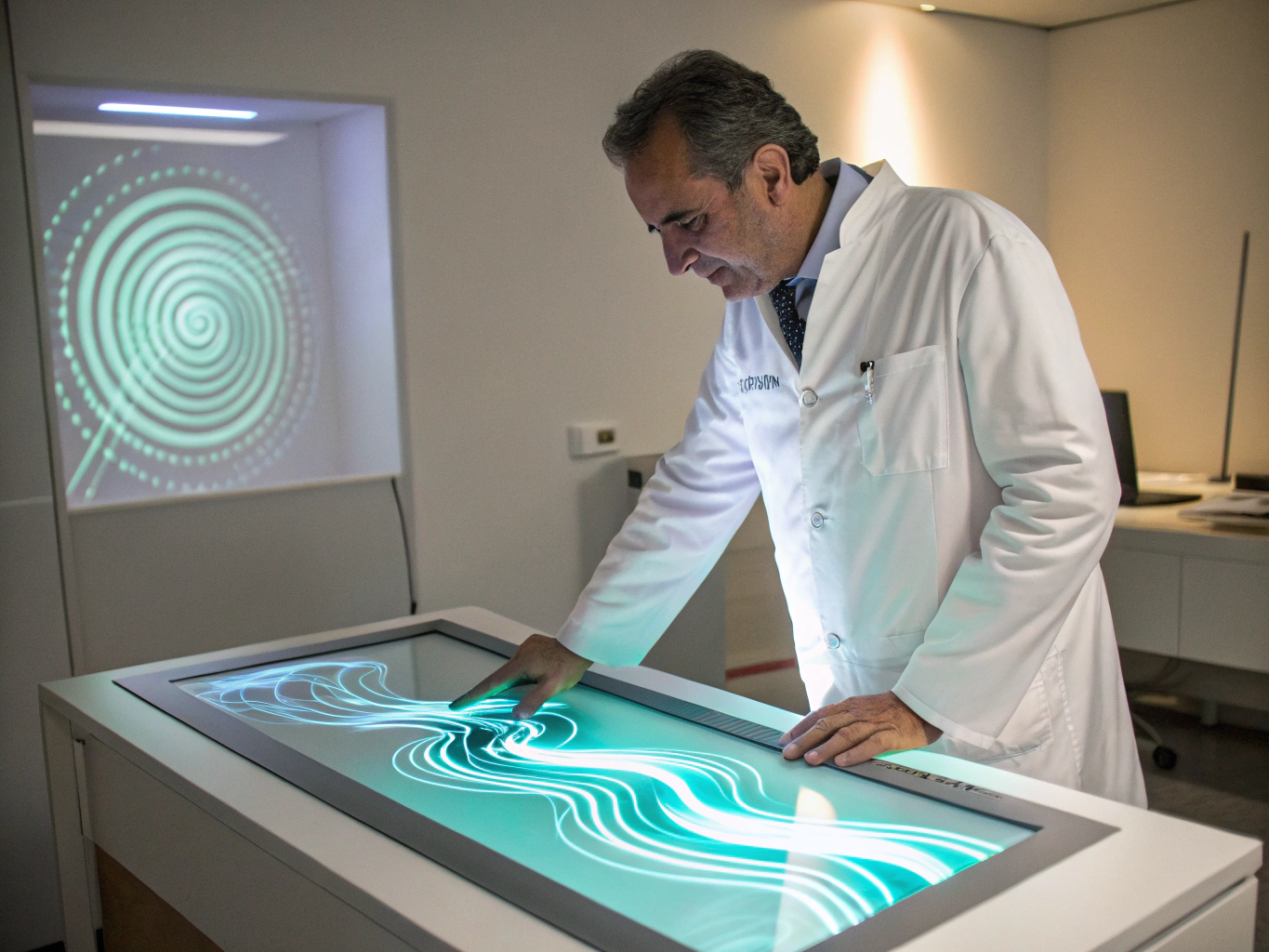
Sensory Sensitivity Isn't Behavior — It's a Nervous System Response
Understand what drives sensory overload and discover science-backed strategies for regulation.
Common Sensory Challenges
- Hypersensitivity: Over-responsiveness to sensory input, leading to avoidance or distress from common sounds or textures.
- Hyposensitivity: Under-responsiveness where a child may seek intense sensory input, like crashing into objects or constant movement.
- Tactile Processing: Difficulty managing the feel of clothing tags, messy play, or unexpected physical contact.
- Auditory Filtering: Inability to tune out background noise, making concentration in classrooms or public spaces nearly impossible.
- Visual Overload: Sensitivity to bright lights, patterns, or busy environments that can trigger sensory meltdowns.
- Proprioceptive Awareness: Challenges with body position and coordination, often appearing clumsy or having poor motor control.
Key Sensory Domains
Sensory Processing Dysfunction affects how the brain receives and responds to information that comes through the senses. Understanding these domains is the first step toward effective support.
Impact on Daily Functioning
SPD is more than just being "picky" or "clumsy." It significantly impacts a child's ability to navigate their world, affecting everything from school performance to social interactions and emotional well-being.
Common Sensory Issues We Help
Auditory & Tactile Processing
Sound sensitivity can make everyday environments feel overwhelming, leading to distress or withdrawal. We work to help children process auditory input more comfortably, reducing the 'fight or flight' response triggered by loud or unexpected noises.
Touch avoidance often manifests as a dislike for certain clothing textures, messy play, or physical contact. Our therapeutic approach gently desensitizes these responses, allowing children to engage more freely with their world.
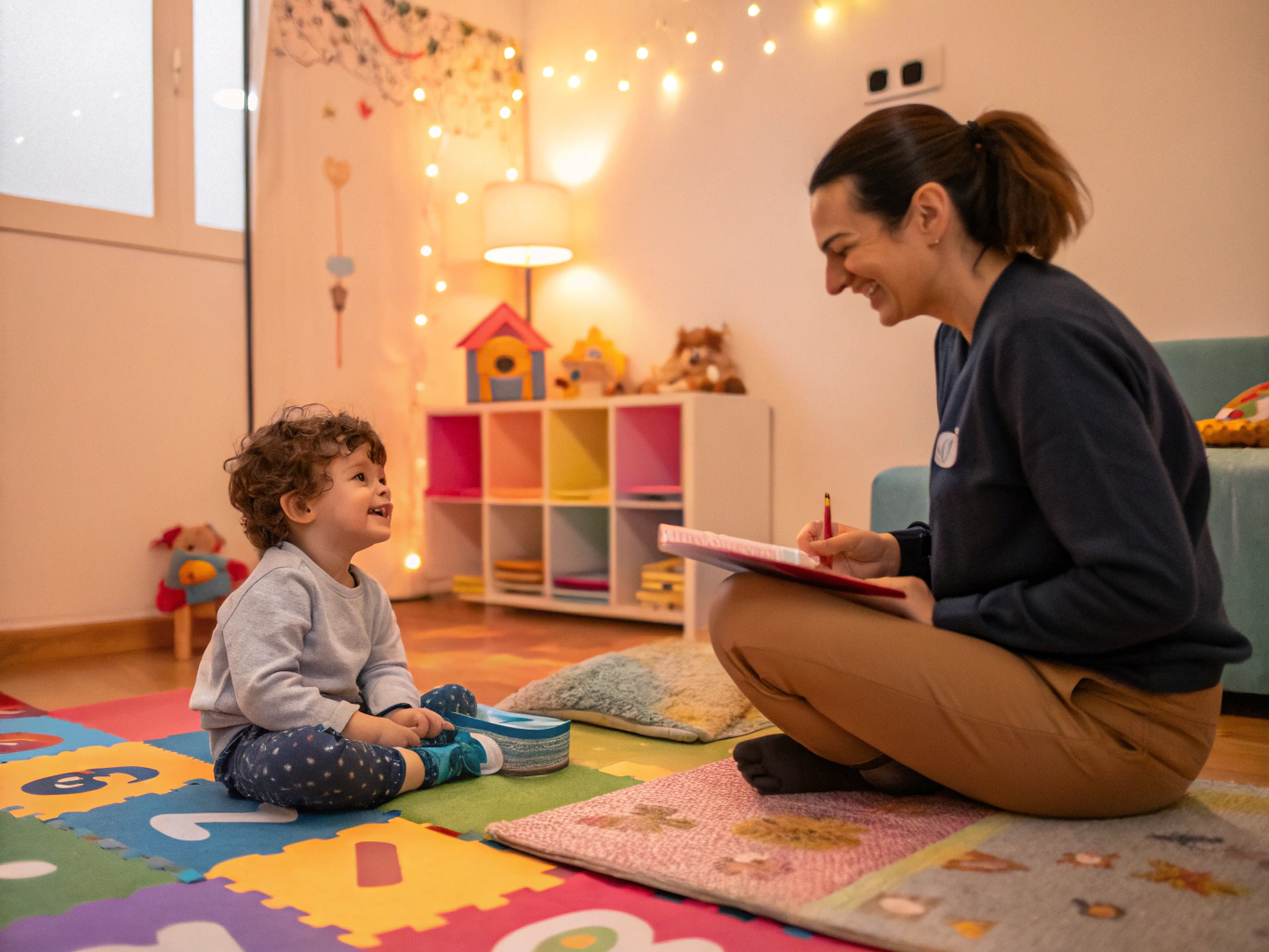
Movement & Vestibular Balance
Movement aversion or gravitational insecurity can make physical play frightening. Children might avoid swings, slides, or uneven surfaces due to a lack of confidence in their body's position in space.
We utilize specialized equipment and evidence-based techniques to improve vestibular processing. By building core stability and spatial awareness, we help children develop the confidence to explore their environment safely and joyfully, turning fear into functional play.

Oral, Visual & Olfactory Input
Picky Eating & Oral Sensitivity
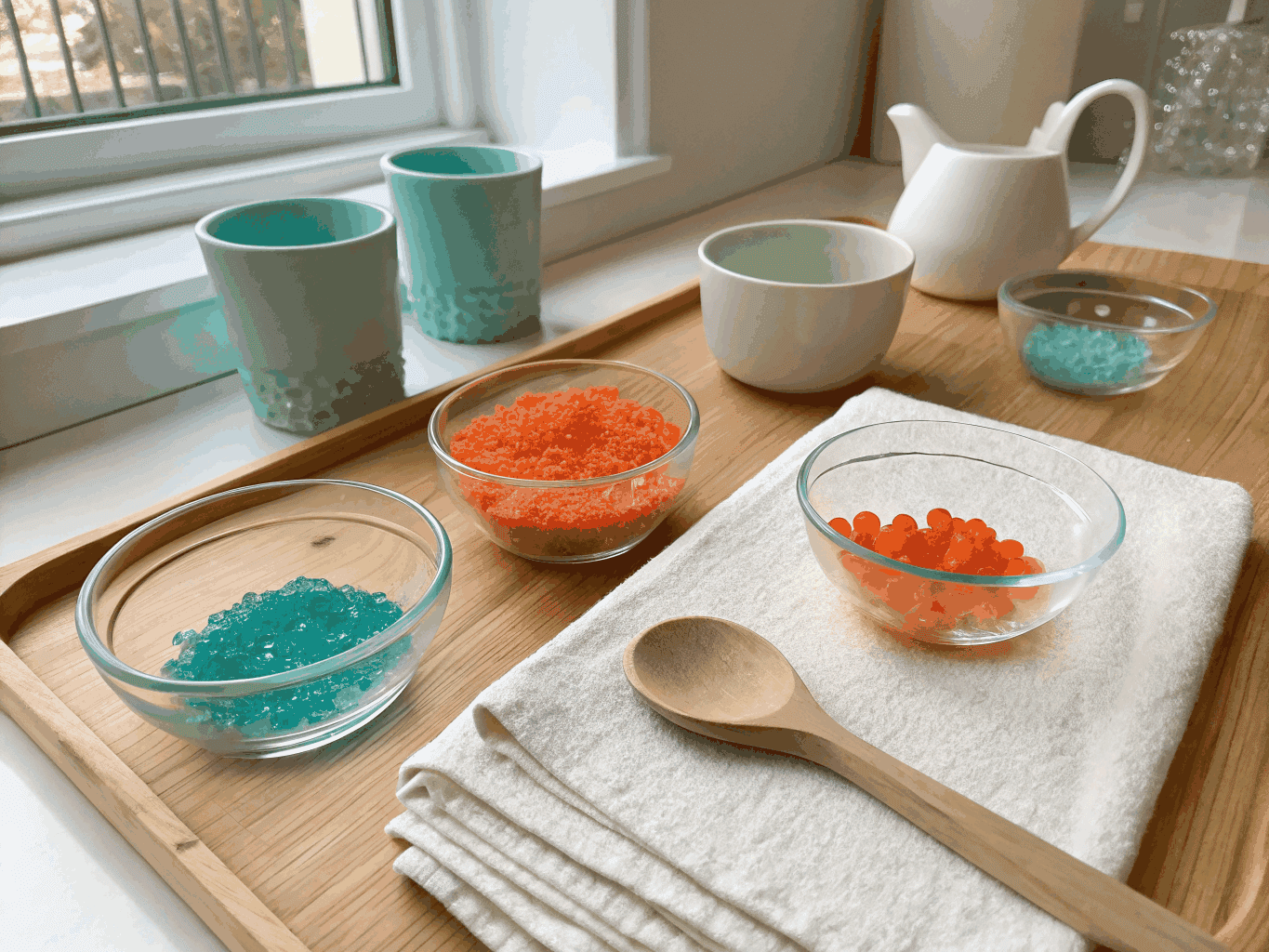
Extreme food selectivity is often rooted in sensory processing issues rather than behavior. We address textures, smells, and tastes to expand a child's nutritional range and make family mealtimes more peaceful.
Visual & Smell Sensitivity
Over-responsiveness to bright lights or specific scents can cause significant distraction and discomfort. We provide strategies to manage these inputs, helping children maintain focus and emotional regulation in various settings.
The Link Between Dysregulation and Sensitivity
Understanding how your nervous system processes information is the first step toward recovery. When the system is stuck in high-alert, even minor inputs can trigger significant physical and emotional responses.
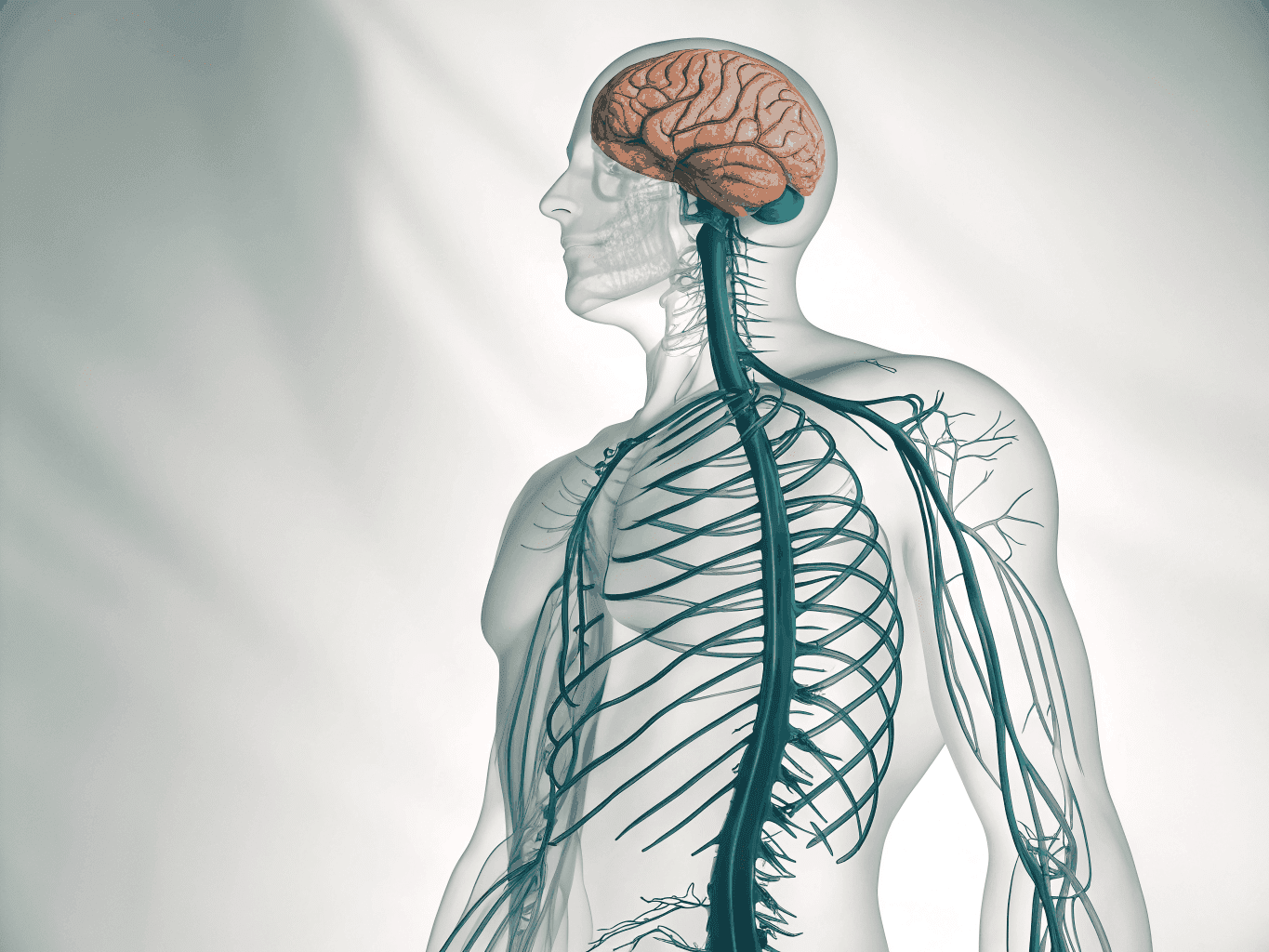
When the nervous system is dysregulated, it enters a state of central sensitization. This lowers your threshold for pain and environmental stimuli, causing the brain to interpret normal signals as intense or threatening.
The autonomic nervous system acts as a filter for sensory input. Imbalances between the sympathetic and parasympathetic branches can distort this filtering process, leading to sensory overload and chronic fatigue.
By identifying these dysregulated pathways, we can apply targeted interventions to 're-tune' the system. This promotes healthy neural plasticity, allowing the body to return to a state of balanced sensory processing.
Our Sensory Assessment
Understanding your unique neurological blueprint is the first step toward lasting change. Our comprehensive evaluation combines clinical data with your personal history.
Our Therapeutic Approach
We provide evidence-based strategies to support neurodevelopmental growth through specialized regulation and environmental adaptation.
Advanced Neurological Wellness Technologies
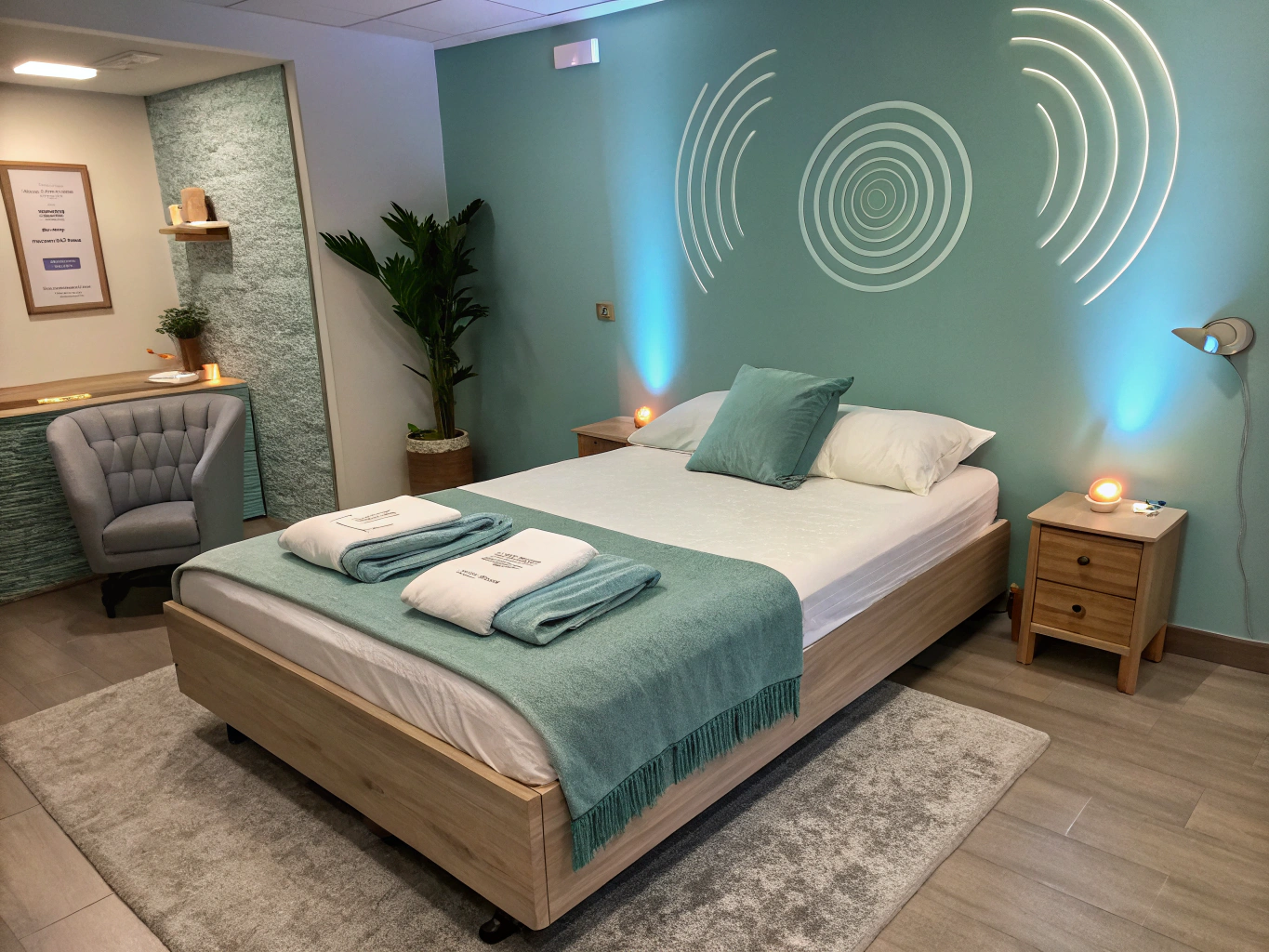
Our Carmel sanctuary integrates cutting-edge neural regulation tools designed to calm the pediatric and family nervous system. From sensory sound beds to BrainTap therapy, we provide the clinical precision your family deserves.
We utilize HRV (Heart Rate Variability) scans to objectively measure stress and recovery. This data-driven approach ensures every adjustment and therapy is tailored to your body's specific neurological needs.
Real Outcomes
Hear from parents about the meaningful progress and life-changing breakthroughs their children have achieved.
"The transformation in our daily life is incredible. My son, who used to pull away from any physical contact, now actively seeks out hugs and is much more comfortable with different clothing textures."
"Meal times used to be a battleground due to food aversions. After working with the team, he's trying new foods without distress. His school focus and sports participation have also improved significantly."
"We've seen such a shift in her confidence. She's no longer overwhelmed by the noise in the gym and is finally enjoying her soccer practices. It's like a weight has been lifted from our whole family."
Common Questions & Answers
Understanding our specialized approach to sensory integration and how we support your child's unique neurological journey.
Begin Your Journey to Sensory Harmony
Our comprehensive evaluations provide the roadmap for personalized therapeutic support. Discover how tailored sensory strategies can transform daily life for your family.